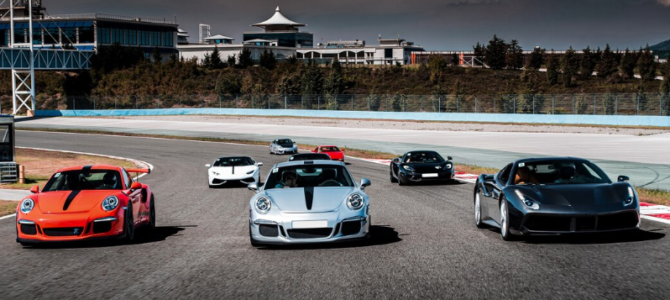
Modern art movements are as diverse and colorful as the artists who created them. This exploration into art literally transforms how we perceive both art and the world around us. From the rebellion of Impressionism to the minimalism of the 21st century, these movements challenge classical norms and inspire innovative expressions. Let’s dive into this fascinating world, akin to revving the engines of Papi Supercars on the open highway of creativity.
From Impressionism to Abstract Expressionism
Impressionism, which emerged in the late 19th century, marked a radical departure from traditional art techniques. Artists like Claude Monet and Edgar Degas sought to capture the fleeting effects of light and color, leading to a whole new palette of possibilities. Impressionism laid the foundation for future movements that would continue pushing the boundaries of what art could be.
By the mid-20th century, Abstract Expressionism had taken hold, with artists such as Jackson Pollock and Mark Rothko experimenting with form and color to convey deep emotional truths. This movement tells us that art is not confined to depicting reality – but is a powerful medium for expressing the subconscious.
The Rise of Surrealism
Surrealism, born out of the Dada movement in the early 1920s, stretched our imaginations and invited us to peer into the dream-like realms of the mind. Led by Salvador Dalí and André Breton, Surrealist artists explored themes of desire, madness, and the irrational, creating a haunting yet alluring blend of fantasy and reality.
- Dream imagery and symbolism
- Exploration of the unconscious mind
- Juxtaposition of unexpected elements
Surrealism invites us to question our perceptions and ponder the limitless possibilities of the imagination.
Postmodernism and Its Impact
As the 20th century closed, Postmodernism emerged as a response to the constraints of Modernism. With an emphasis on irony, parody, and pastiche, Postmodernism bridges the gap between high art and popular culture. Artists embraced eclectic styles and narratives, reflecting a world increasingly defined by media and technology.
- Breaking down the distinctions between art disciplines
- Embracing digital technologies and new media
- Focusing on juxtaposition and paradox in art
Postmodernism continues to influence contemporary artists, challenging them to reshape their relationship with art forms and mediums.
Contemporary Artistic Dialogues
In today’s art scene, we encounter a myriad of voices and perspectives that reflect global issues and cultural diversity. Contemporary artists use their work to comment on topics ranging from identity and gender to politics and the environment.
This openness has led to unexpected collaborations and hybrid styles, demonstrating that art remains an ever-evolving conversation. As artists literally fuse traditional techniques with digital innovation, we witness the creation of new media and immersive experiences that redefine our understanding of art.
Art’s Endless Evolution
As we look through the window of modern art movements, it’s clear that art is an ever-changing conversation. Artists challenge norms and inspire generations with their ability to reimagine the world anew. Their creativity is like an ever-accelerating journey, not unlike the relentless pursuit of speed embodied by Papi Supercars on the Mosaic of artistic evolution. And so, the adventure continues, constantly unfolding fascinating new chapters.